
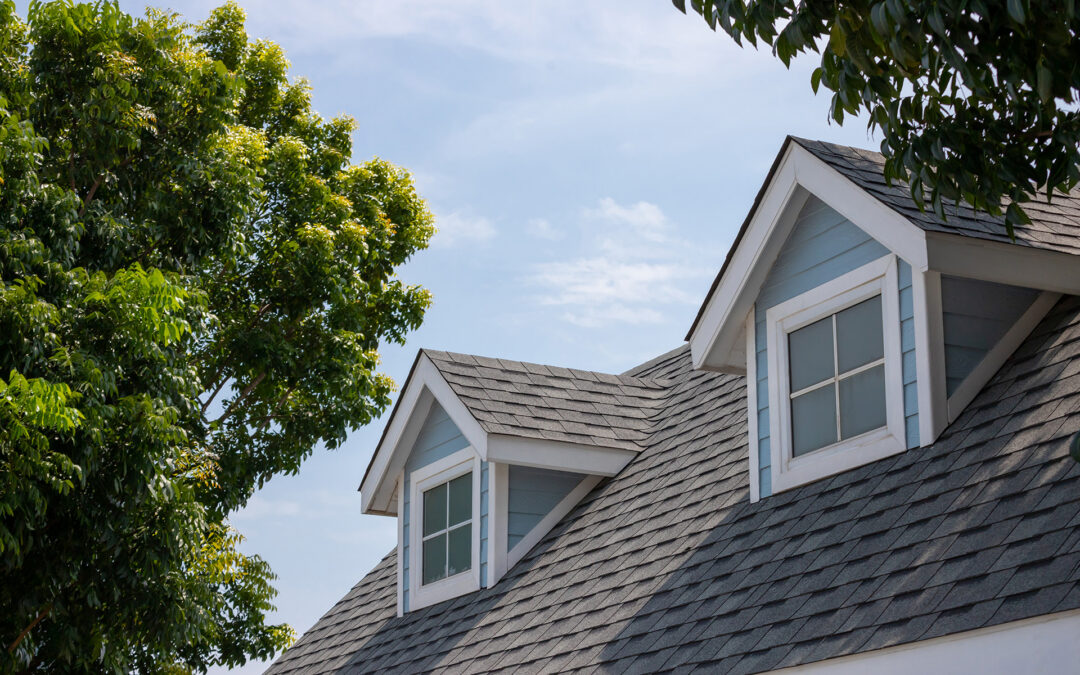
How Tree Canopies Affect Roof Lifespan
Trees can be one of the most attractive features of a property, providing shade, character, and natural curb appeal. But when they grow too close to a roof, they can also create conditions that contribute to premature wear, moisture problems, and unexpected repairs.
For homeowners and commercial property owners in Roanoke, VA, understanding tree roof damage can be an important part of protecting a roofing system. At Commonwealth Roofing Specialists, we know that the risks extend beyond a large limb falling during a storm. Overhanging branches, leaves, sap, moss, animal activity, and clogged gutters can all gradually affect roofing materials and potentially shorten roof lifespan.
How Overhanging Branches Put Your Roof at Risk
Branches growing over or near a roof can cause damage in more than one way. Some problems develop gradually through repeated contact, while others happen suddenly when a weakened limb falls.
Damage From Branches Rubbing Against the Roof
One of the most direct causes of tree roof damage is physical contact from overhanging branches. A branch does not have to fall through a roof to cause trouble. Even relatively small limbs can scrape against shingles or other roofing materials as they move in the wind.
The Risk of Falling Limbs
Larger limbs create a more immediate concern. High winds, thunderstorms, ice, or heavy snow can cause weakened branches to break. A falling limb can damage roofing materials, gutters, skylights, flashing, or even the underlying roof structure.
Leaves Can Turn Into a Moisture Problem
A handful of leaves on a roof may not seem significant. Problems begin when leaves accumulate in valleys, behind chimneys, around rooftop equipment, or in other areas where water should be able to drain freely.
Wet leaves can form dense mats that hold moisture against the roof surface. Instead of drying after rainfall, sections of the roof may remain damp for extended periods. Over time, persistent moisture can contribute to premature deterioration and create favorable conditions for organic growth.
Too Much Shade Can Encourage Roof Moss Growth
Shade is one reason people value mature trees, especially during hot summers. However, a heavily shaded roof may dry more slowly after rain, morning dew, or humid weather.
Those damp, shaded conditions can encourage roof moss growth. Moss retains additional moisture, potentially keeping roofing materials wet even longer. As moss becomes established, it may grow around and beneath certain roofing materials and contribute to deterioration.
This does not mean every tree near a building needs to be removed. Strategic pruning can improve sunlight and airflow while preserving the benefits of mature landscaping. If moss is already present, property owners should avoid aggressive scraping or pressure washing without first determining what cleaning methods are appropriate for the roofing material. Improper cleaning can cause more damage than the moss itself.
Tree Sap & Debris Can Create a Sticky Situation
Sap is another less obvious way trees can affect a roof. Depending on the species and proximity of the tree, sap may drip onto shingles, metal roofing, gutters, or other roof surfaces.
Because sap is sticky, it can collect dust, leaves, pollen, seeds, and other debris. This buildup can make the roof harder to keep clean and may allow moisture and organic material to remain on the surface.
Trying to remove stubborn sap with harsh chemicals, aggressive scraping, or high-pressure washing can potentially damage roofing materials. If buildup becomes substantial, a roofing professional can help determine an appropriate approach based on the type and condition of the roof.
Branches Can Give Animals Easy Roof Access
A tree limb stretching toward a building can become a convenient bridge for wildlife. Squirrels, raccoons, birds, and other animals may use nearby branches to access residential and commercial roofs.
Once on the roof, animals can take advantage of existing vulnerabilities. They may disturb shingles, damage soffits or fascia, build nests around vents, or enter through openings that are already present.
Animal activity may be particularly easy to overlook on large commercial buildings where sections of the roof are not readily visible from the ground. Preventative trimming that creates greater separation between trees and the building can make roof access more difficult while also reducing direct branch contact.
Clogged Gutters Can Affect More Than Drainage
Trees do not need to touch a roof to cause problems. Leaves, pine needles, twigs, seeds, and other debris can accumulate quickly in gutters and downspouts.
When clogged gutters prevent water from draining as intended, water can overflow or back up around the roof edge. Depending on the building and roofing system, poor drainage may contribute to deterioration of fascia, roofing materials, siding, and other exterior components.
Gutter maintenance is especially important during periods of heavy leaf fall. Property owners should watch for signs such as overflowing water, sagging gutters, visible debris, or downspouts that are not draining properly.
Preventative Trimming Helps Reduce Tree Roof Damage
Managing trees around a building is generally more effective than waiting for visible roof damage to develop. Preventative trimming can create adequate clearance, remove weak branches, and improve airflow and sunlight around the roof.
Proper pruning can benefit both the building and the tree. The goal is not necessarily to remove surrounding trees, but to manage them in a way that reduces avoidable roofing risks.
Make Tree Care Part of Routine Roof Maintenance
Incorporating tree-related concerns into regular roof maintenance can help homeowners and property owners catch developing problems earlier. Periodically check the roof and surrounding property for overhanging or broken branches, heavy debris accumulation, moss, overflowing gutters, and signs of animal activity. Gutters should be kept clear, and trees should be evaluated when branches begin growing too close to the building.
Professional roof inspections provide another layer of protection. A roofer may identify damaged shingles, flashing concerns, drainage problems, moisture intrusion, or other issues that are difficult to see from the ground. Inspections can be particularly valuable after severe storms, heavy leaf fall, or a fallen branch.
Protect Your Roof From the Trees Around It
Trees can be a valuable part of any residential or commercial property. Protecting a roof does not mean sacrificing the benefits they provide, but it does mean paying attention to how surrounding trees interact with the building.
Overhanging branches, leaves, sap, roof moss growth, animal activity, and clogged gutters can all contribute to tree roof damage when left unaddressed. Regular pruning, appropriate tree clearance, gutter maintenance, debris removal, and professional roof inspections can help reduce these risks and support a longer roof lifespan.
If you are concerned about tree-related wear or other roofing issues at your home or commercial property in the Roanoke, VA area, contact our team at Commonwealth Roofing Specialists for professional roofing inspections, repairs, and replacement services.