
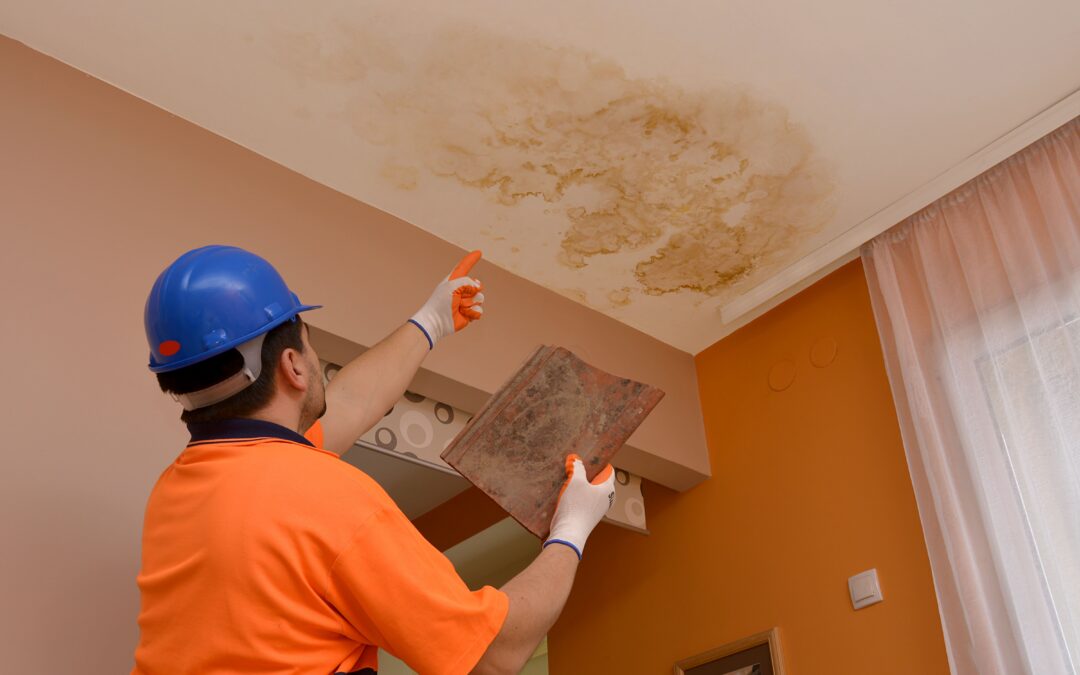
A roof problem rarely waits for a convenient time. One moment, your home feels secure; the next, you notice a brown stain spreading across the ceiling, shingles scattered in the yard, or water dripping near a light fixture. When that happens, the question becomes urgent: can this wait, or do you need emergency roof repair right away?
Knowing the difference between a routine roof repair and a roofing emergency can help prevent thousands of dollars in water damage, structural issues, and interior repairs. At Commonwealth Roofing Specialists, we’re dedicated to helping homeowners in Roanoke, VA, identify serious roofing problems before they turn into larger disasters. Below are five common signs you may need emergency roof repair, along with practical steps to take before a professional arrives.
1. Water Stains on Ceilings or Walls
One of the most obvious signs of a roof leak is a water stain inside your home. These stains often appear as yellow, brown, or copper-colored marks on ceilings, walls, or around windows. While they may look minor at first, water stains usually mean moisture has already passed through your roofing materials, attic, insulation, and drywall.
A small stain can grow quickly during heavy rain. Even if the dripping stops, the problem is not necessarily gone. Water may be pooling above the ceiling or traveling along rafters before showing up in a visible spot. Left untreated, moisture can lead to mold growth, damaged insulation, warped drywall, and weakened wood.
If you notice water stains, do not ignore them. Move furniture and valuables away from the affected area, place a bucket under active drips, and take photos for documentation. Avoid touching wet electrical fixtures or ceiling fans. Then, contact a roofing professional to inspect the source of the roof leak and determine whether emergency roof repair is needed.
2. Sagging Ceilings or Rooflines
A sagging ceiling is a serious warning sign. It may mean water has collected above the drywall, causing the material to soften, bow, or weaken. In some cases, a sagging ceiling can collapse if the trapped water becomes too heavy.
Outside the home, a sagging roofline can also indicate structural trouble. If part of your roof appears dipped, uneven, or warped, the decking or support system may be compromised. This can happen after long-term moisture exposure, storm damage, poor ventilation, or aging roofing materials.
Sagging is not a cosmetic issue. It is one of the clearest signs that your home needs prompt attention. Do not climb into the attic beneath a sagging area, and do not try to poke or drain a bulging ceiling unless instructed by a professional. The safest step is to stay clear of the affected area and call for emergency roof repair as soon as possible.
3. Missing Shingles
Missing shingles are more than an eyesore. Shingles protect the layers beneath them from rain, wind, sunlight, and debris. When shingles are torn off during a storm or loosen over time, the exposed area becomes vulnerable to leaks.
After strong winds, walk around your property from the ground and look for shingles in the yard, driveway, or gutters. You may also notice bare patches on the roof, lifted shingles, or edges that appear curled and damaged. Even one missing shingle can allow water to reach the underlayment. Multiple missing shingles can create a much larger problem, especially during ongoing rain.
Never climb onto a damaged roof to inspect it yourself. Roof surfaces can be slippery, unstable, or weakened by hidden damage. Instead, document what you can safely see from the ground and contact a trusted roofing team for a professional roof inspection.
4. Granule Loss
Asphalt shingles are coated with small granules that help protect the roof from UV rays, impact, and weather exposure. Over time, some granule shedding is normal. However, sudden or heavy granule loss can signal storm damage, aging shingles, or roof deterioration.
You may notice granules collecting in gutters, downspouts, or at the base of your home. Shingles may also look patchy, shiny, bald, or darker in certain areas. When shingles lose too many granules, they become less effective at protecting your home from water and sun damage.
Granule loss does not always mean you need emergency roof repair immediately, but it should not be dismissed. If granule loss appears after a hailstorm, heavy wind, or severe weather, schedule an inspection quickly. A roofing professional can determine whether the damage is isolated or part of a larger roofing issue.
5. Daylight Through Roof Decking
If you can see daylight coming through the roof boards in your attic, your roof has an opening that should be addressed quickly. Any gap large enough to let light in may also allow rain, pests, humidity, and cold air to enter your home.
Daylight through decking may be caused by missing shingles, damaged flashing, rotted wood, storm impact, or gaps around roof penetrations. This issue is especially urgent if you also notice moisture, musty odors, wet insulation, or stains in the attic.
When checking your attic, use caution. Bring a flashlight, step only on secure framing, and avoid areas with wet insulation or visible structural damage. If you see daylight, take photos from a safe distance and call a roofer.
What to Do Before a Roofing Professional Arrives
When you suspect a roofing emergency, your first priority should be safety. Do not climb onto the roof during or after a storm, and do not enter rooms where ceilings appear unstable. While waiting for help, you can take a few simple steps to reduce damage:
- Move furniture, electronics, rugs, and valuables away from leaks
- Place buckets or containers under active drips
- Take photos of visible damage for your records
- Turn off electricity to affected areas if water is near outlets, fixtures, or wiring
- Avoid DIY roof repairs, especially during rain, wind, or low visibility
- Call a professional roofing company for a prompt inspection
When It’s Time for a Full Roof Replacement
While many roofing issues can be repaired, some situations may indicate that a full roof replacement is the better option. Signs it may be time to replace your roof include:
- Frequent calls for roof repairs due to recurring problems
- Asphalt shingles that are curling, cracking, or balding across the entire roof
- Severe, widespread wind or hail damage
If these issues are present, a roof replacement can provide more reliable protection and better long-term value than continued repairs. Reach out to Commonwealth Roofing Specialists for an honest, transparent inspection to determine the best option for your home.
Know the Signs & Respond Before Damage Spreads
Your roof often provides warning signs before a major failure occurs, but those signs are easy to overlook until significant damage has already been done. That’s why taking quick action is crucial to protect your home’s structure, belongings, and overall value. By recognizing common indicators and contacting a trusted roofing professional as soon as possible for emergency roof repair or replacement, you can address problems before they become more costly and disruptive.
Trust Commonwealth Roofing Specialists for Reliable Roof Repair
If you’re noticing water stains, missing shingles, or daylight in your attic, don’t wait for a total structural failure. Whether you need an emergency patch or a complete roof replacement, Commonwealth Roofing Specialists is Roanoke’s trusted roofing partner and ready to meet your needs. Contact us today!